The Christmas tree is a beloved holiday symbol across the globe, but how it’s decorated and celebrated can vary widely from one country to another. Each tree reflects a unique blend of cultural heritage, family traditions, and festive creativity. From intricate handmade ornaments to grand public displays, Christmas trees hold a special place in seasonal celebrations.
Historically, the evergreen tree symbolizes eternal life and renewal, making it a fitting centerpiece for the holiday season. Its origins date back centuries, with early traditions evolving into modern practices embraced by millions around the world. Today, Christmas trees are not only a decorative element but also a source of cherished memories, bringing families together during the most wonderful time of the year.
Exploring the different ways Christmas trees are celebrated offers a glimpse into the richness and diversity of global holiday traditions. From Germany’s handblown glass ornaments to Australia’s beach-themed trees, let’s take a journey through the festive world of Christmas tree customs and discover what makes each tradition unique!
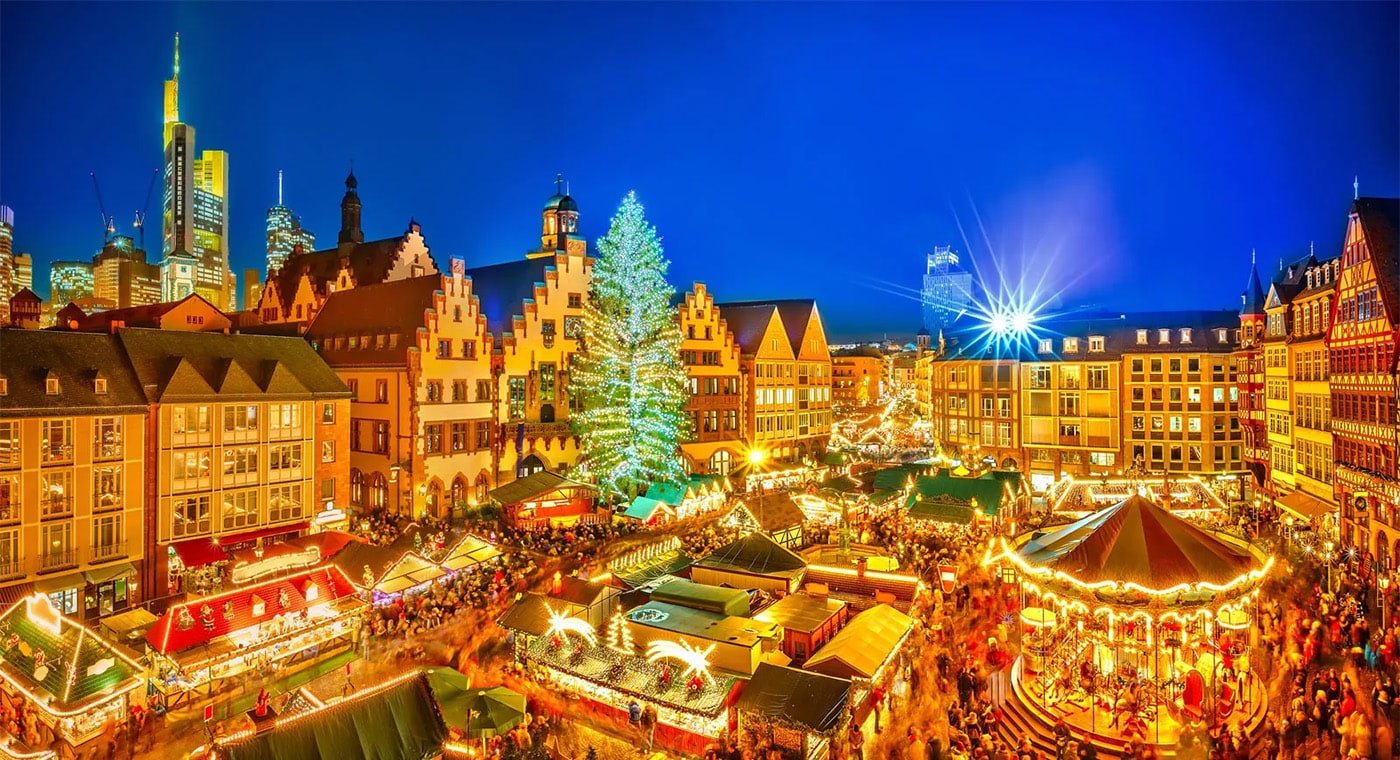
Germany: The Birthplace of the Christmas Tree
Germany is widely regarded as the birthplace of the modern Christmas tree tradition. In the 16th century, devout Christians brought evergreen trees into their homes and decorated them with apples, nuts, and candles, which symbolized the Garden of Eden and the light of Christ. Over time, candles were replaced by electric string lights for safety and convenience, revolutionizing the way trees were illuminated. The glass ornaments that originated in Germany, often handblown and intricately designed, became iconic holiday decorations and are still cherished worldwide today.
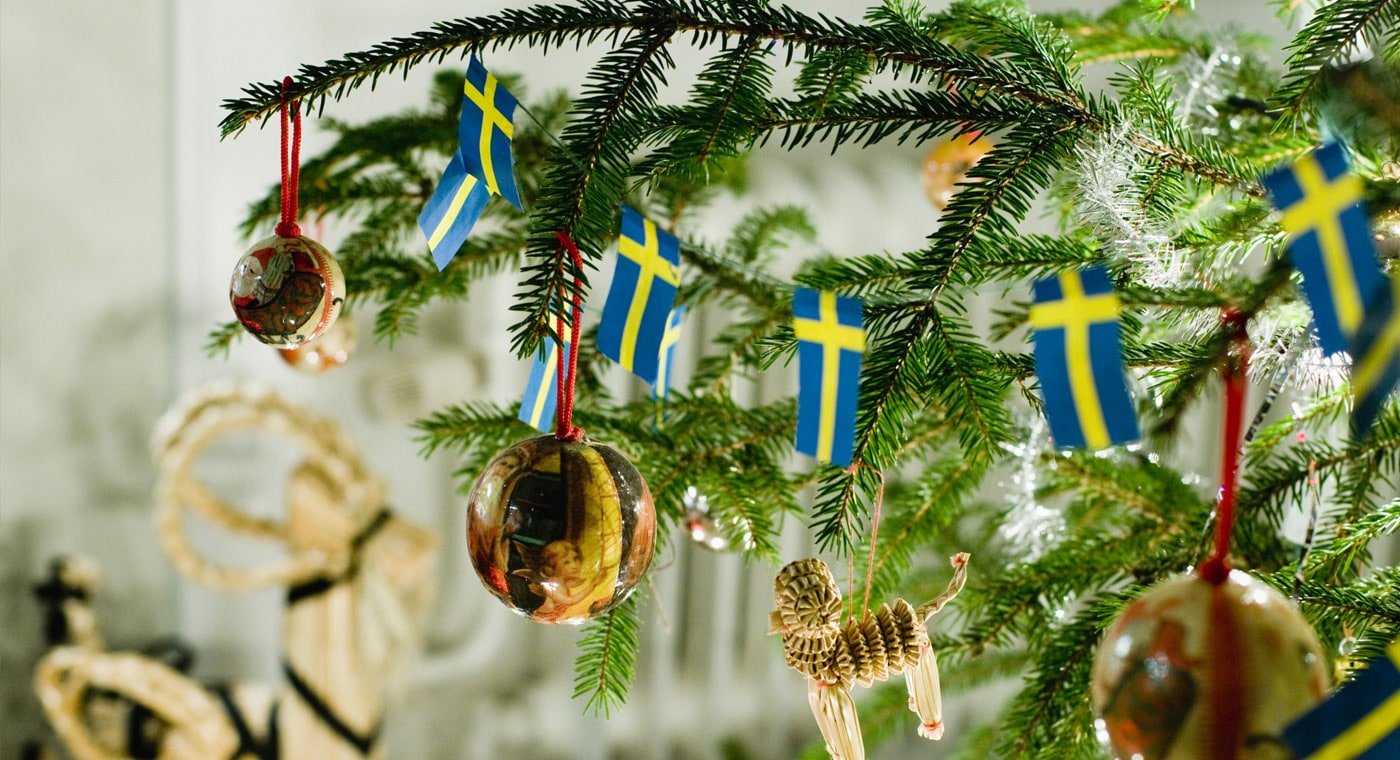
Sweden: Simple Elegance and Straw Decorations
In Sweden, Christmas trees reflect the country’s minimalist aesthetic and connection to nature. Straw ornaments, often handcrafted into stars, hearts, and animal shapes, serve as a tribute to the harvest season and the simplicity of rural life. These decorations are paired with candles or white fairy lights that create a warm, inviting glow. Swedish families keep their trees up well into January, culminating in the celebration of St. Knut’s Day on January 13th, when it’s customary to dance around the tree before taking it down.
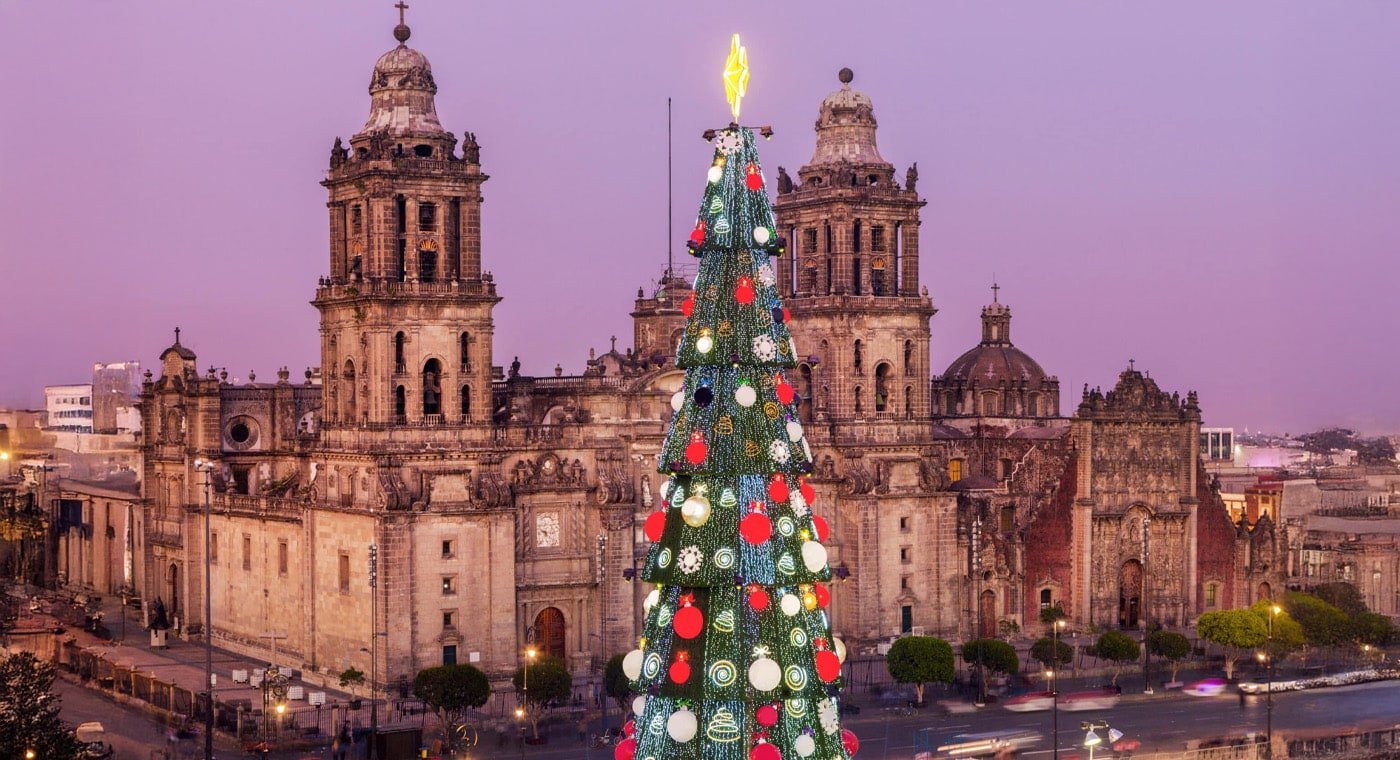
Mexico: Festive and Vibrant Decorations
In Mexico, Christmas trees burst with vibrant colors and cultural influences. Decorations include brightly colored ribbons, metallic tinsel, and handmade ornaments that reflect local craftsmanship. Many families pair their Christmas trees with elaborate nativity scenes known as “Nacimientos,” which take center stage in holiday decor. While natural pine trees are popular in some regions, artificial trees dominate in urban areas due to their practicality and the country’s warm climate. These trees often serve as the backdrop for festive gatherings filled with music, food, and family.
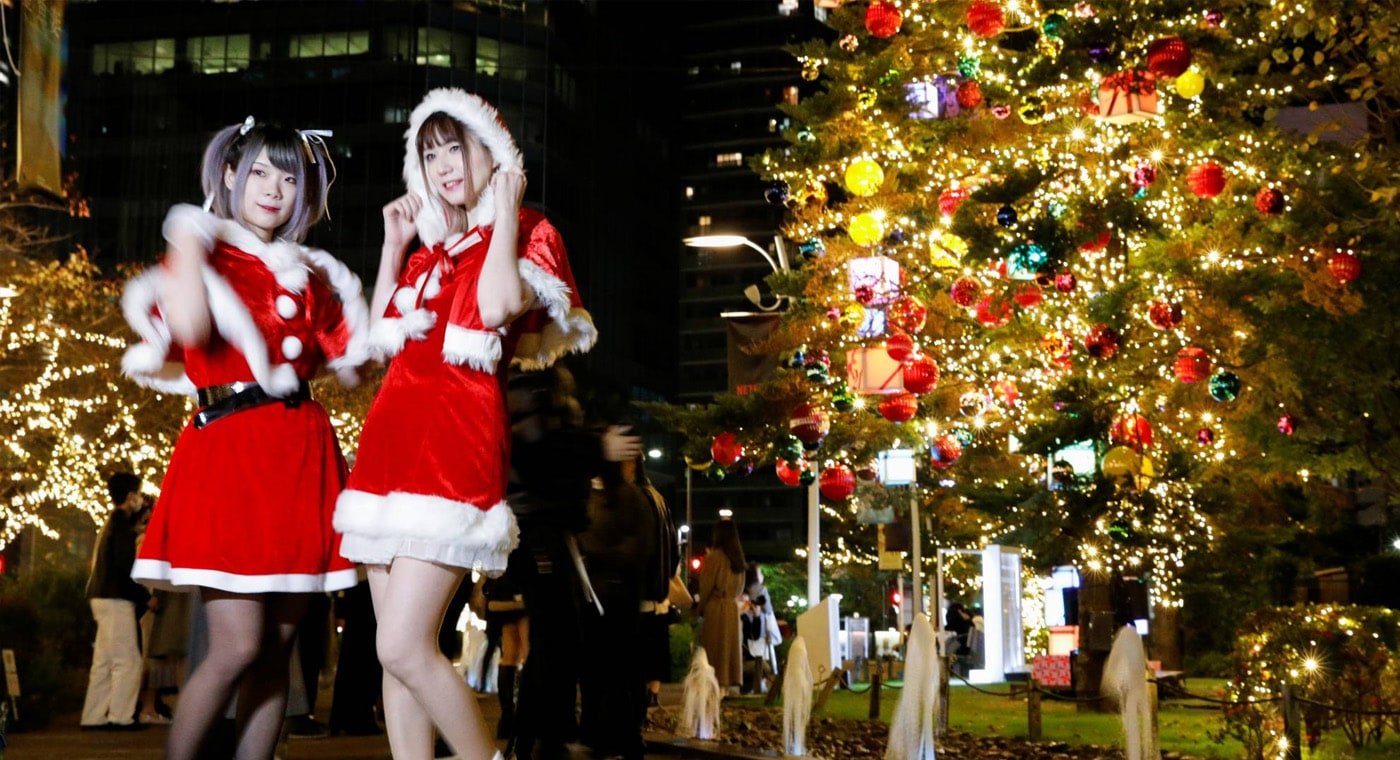
Japan: A Modern Take with Origami and Lights
In Japan, where Christmas is celebrated as a secular holiday, the focus is on visual beauty and unique designs. Trees are adorned with intricate origami ornaments, such as cranes and stars, symbolizing peace and prosperity. LED lights, often in dazzling displays, transform trees into stunning works of art in both public spaces and private homes. Japanese Christmas celebrations emphasize togetherness and joy, with trees often serving as the centerpiece for seasonal gatherings and romantic outings.
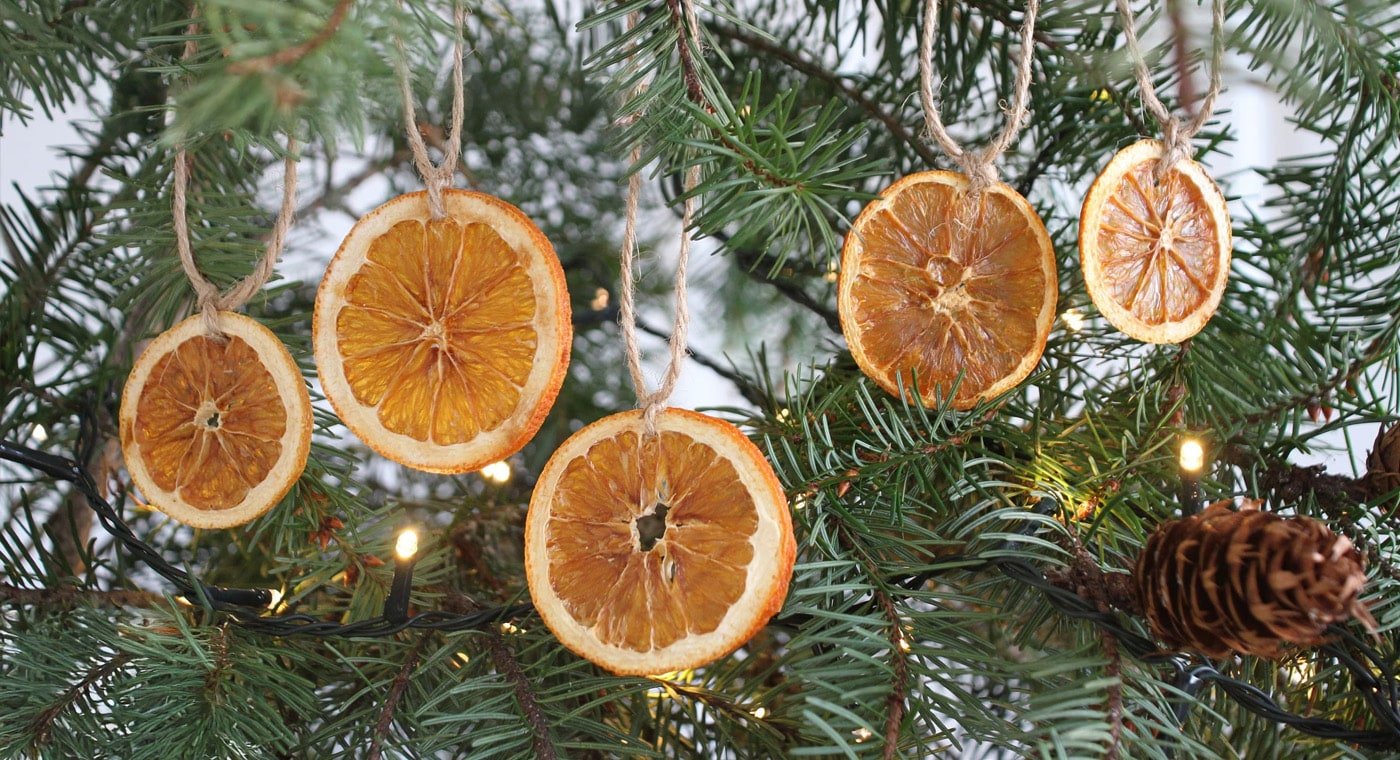
Norway: Honoring Nature with Edible Decorations
In Norway, Christmas trees are a testament to the country’s love of nature and simplicity. Decorations often include wooden ornaments, hand-knitted garlands, and edible treats like gingerbread cookies, chocolates, and dried orange slices. These edible decorations not only add charm but also delight children and guests who can snack on them throughout the holiday season. The tradition of decorating a “juletre” (Christmas tree) dates back to the early 19th century and often involves families venturing into forests to select and cut their own tree.
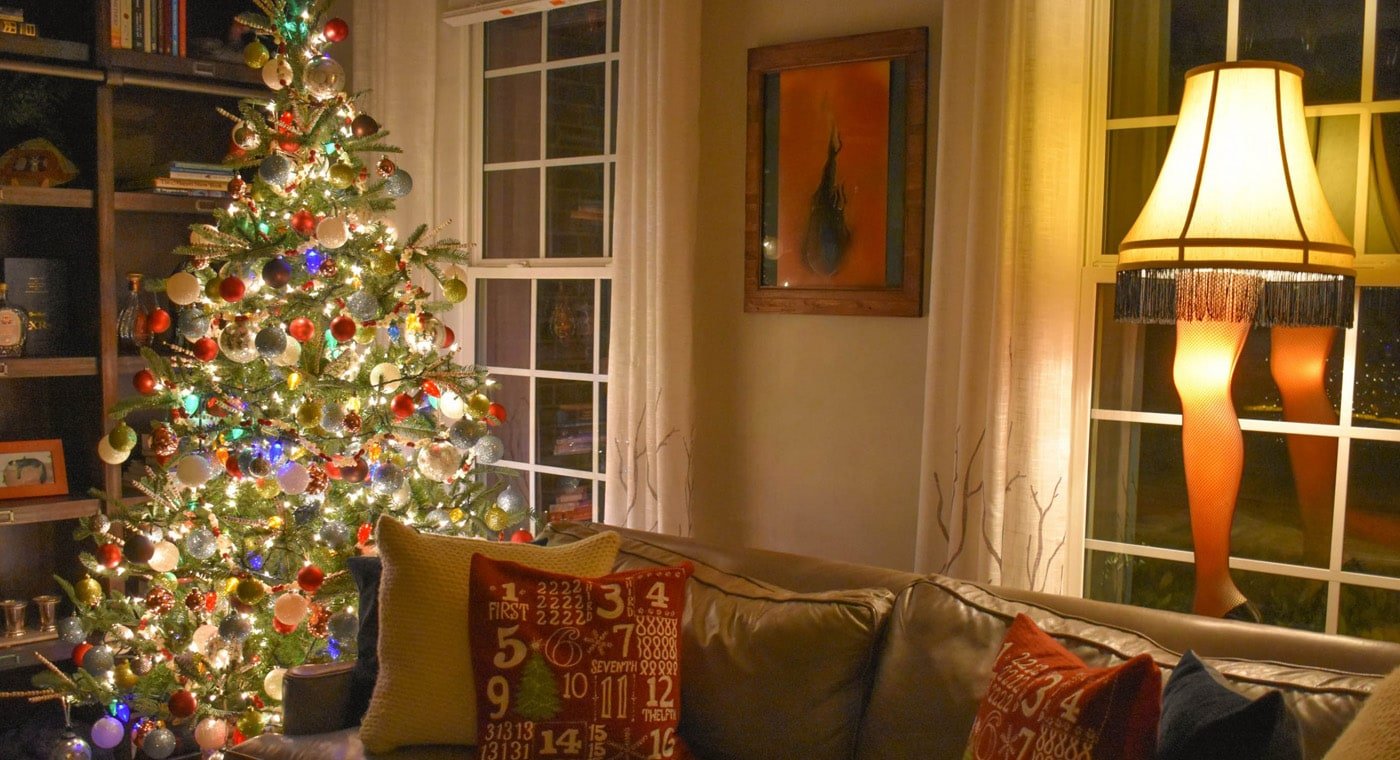
United States: A Melting Pot of Traditions
In the United States, Christmas tree traditions are as diverse as the nation itself. Many families personalize their trees with ornaments collected over the years, ranging from heirlooms to handcrafted decorations. Strings of popcorn and cranberries add a touch of nostalgia, while themed trees have become increasingly popular. Public displays, such as the towering Rockefeller Center tree in New York City, draw millions of visitors each year and symbolize the communal spirit of the season. Additionally, many families cherish the experience of visiting a tree farm to cut down their own tree, making it a memorable holiday tradition.
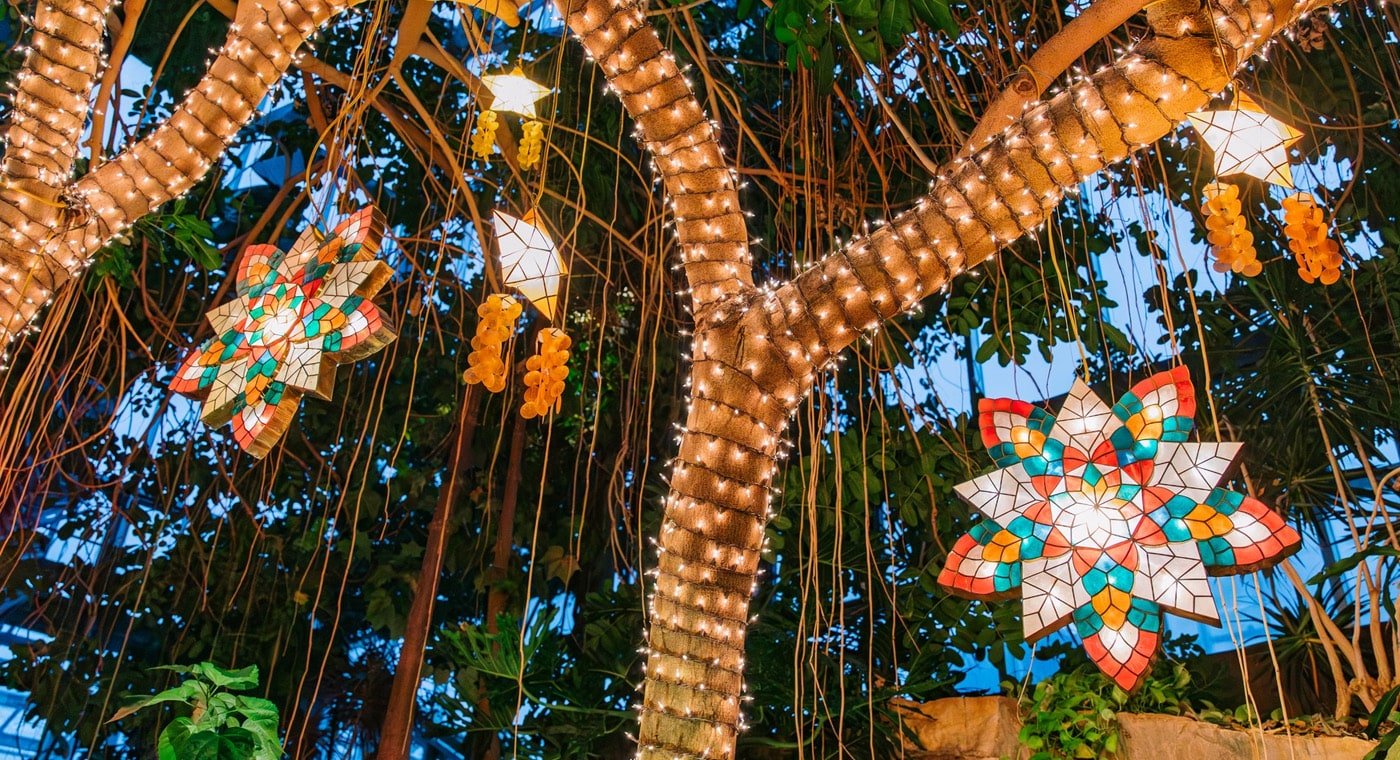
Philippines: The Tallest Trees and Parols
The Philippines is known for its grand and colorful Christmas celebrations, and Christmas trees are no exception. Traditional trees are often complemented by “parols,” star-shaped lanterns made from bamboo and paper, representing the Star of Bethlehem. In public spaces, towering Christmas trees are crafted from unconventional materials like recycled bottles, metal, or LED lights, showcasing the country’s creativity and resourcefulness. These vibrant displays are a central part of the festivities, which include caroling, feasts, and midnight masses.
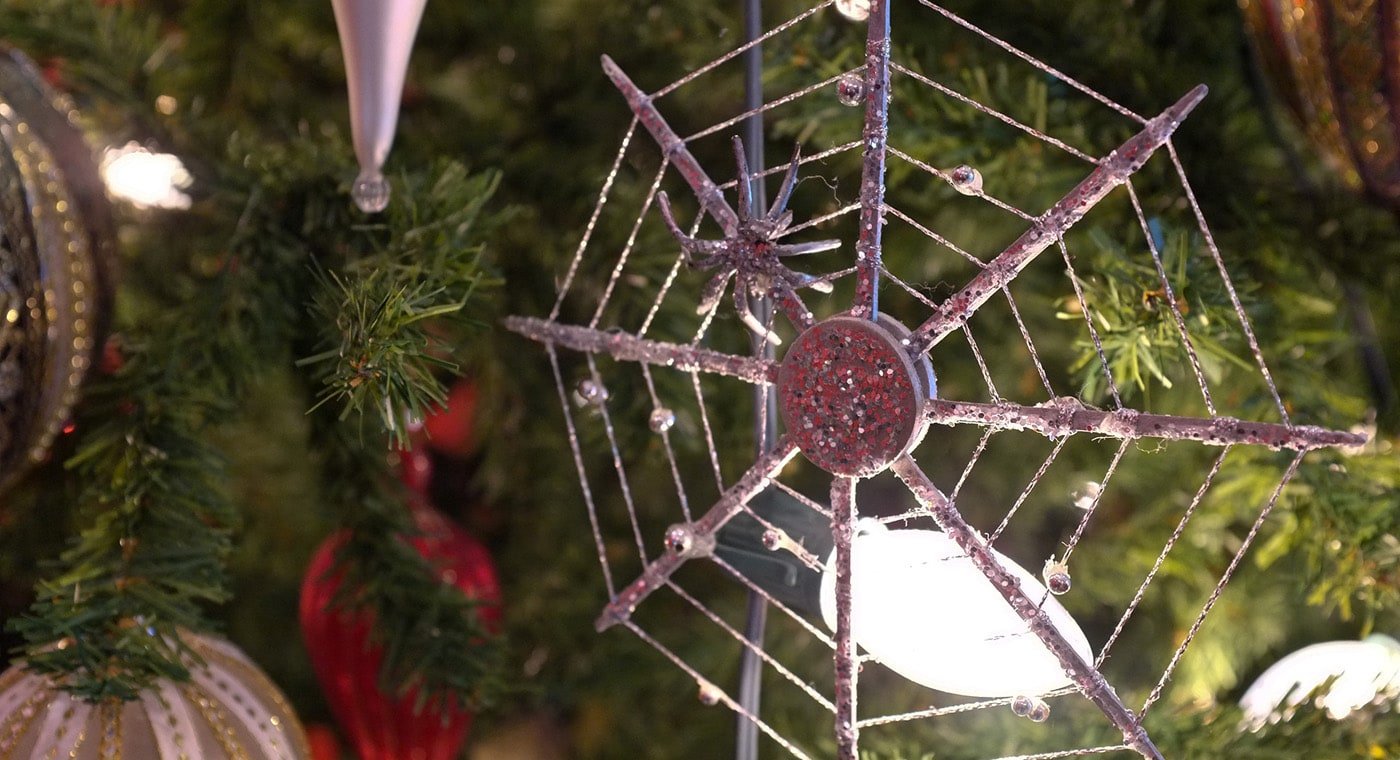
Ukraine: Spider Webs for Good Luck
Ukraine’s unique Christmas tree tradition of decorating with spider webs stems from a heartwarming folktale. According to legend, a poor family’s Christmas tree was magically adorned with spider webs that transformed into shimmering gold and silver by morning, bringing them prosperity. Today, Ukrainians honor this story by decorating their trees with artificial webs and spider ornaments, believed to bring good fortune and blessings. This charming custom adds a layer of folklore and meaning to holiday celebrations.
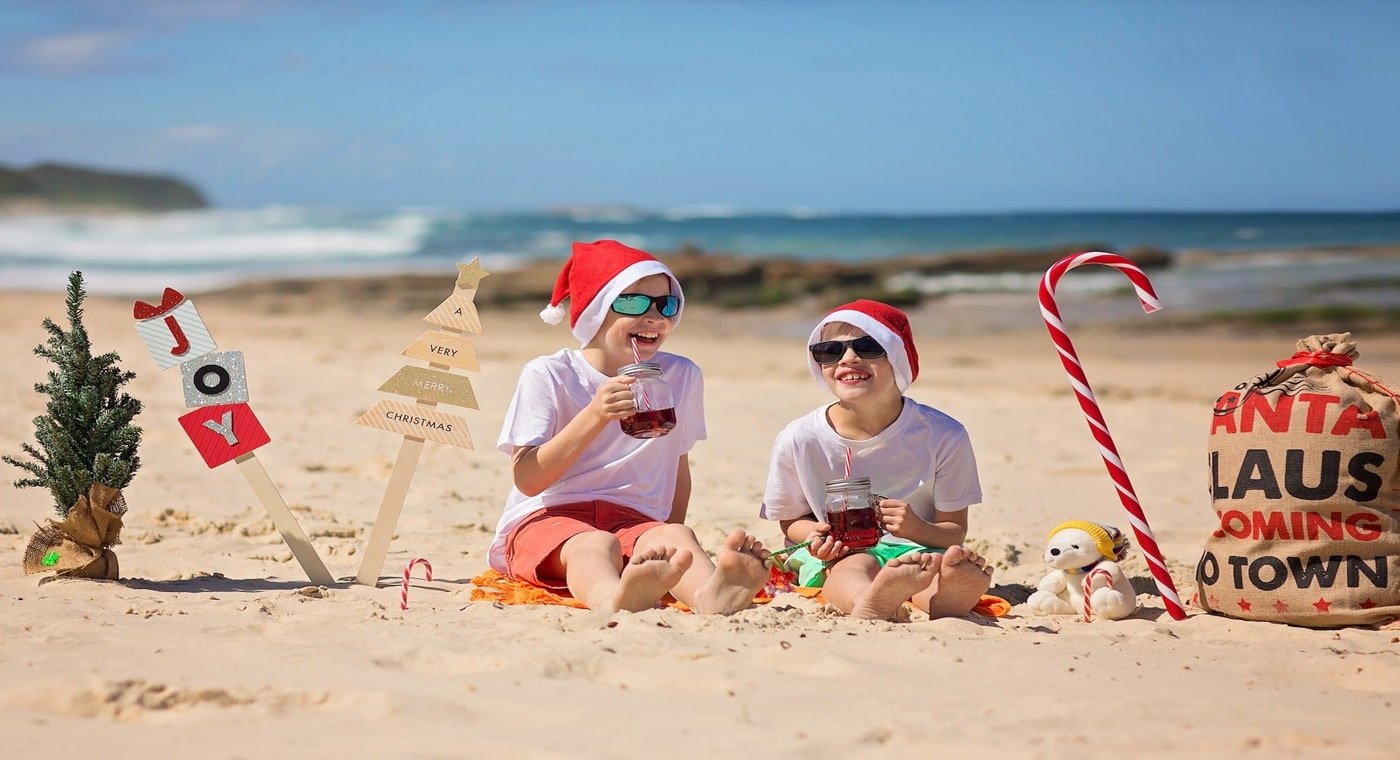
Australia: Summer Trees and Native Flora
In Australia, Christmas falls during the height of summer, leading to unique tree traditions that embrace the warm climate. Many families use native plants like the Norfolk Island pine or eucalyptus branches as Christmas trees, decorating them with beach-themed ornaments, including seashells, starfish, and bright ribbons. Outdoor celebrations, such as barbecues and picnics under the tree, are a quintessential part of Australian Christmas, blending the holiday spirit with the country’s relaxed, outdoor lifestyle.
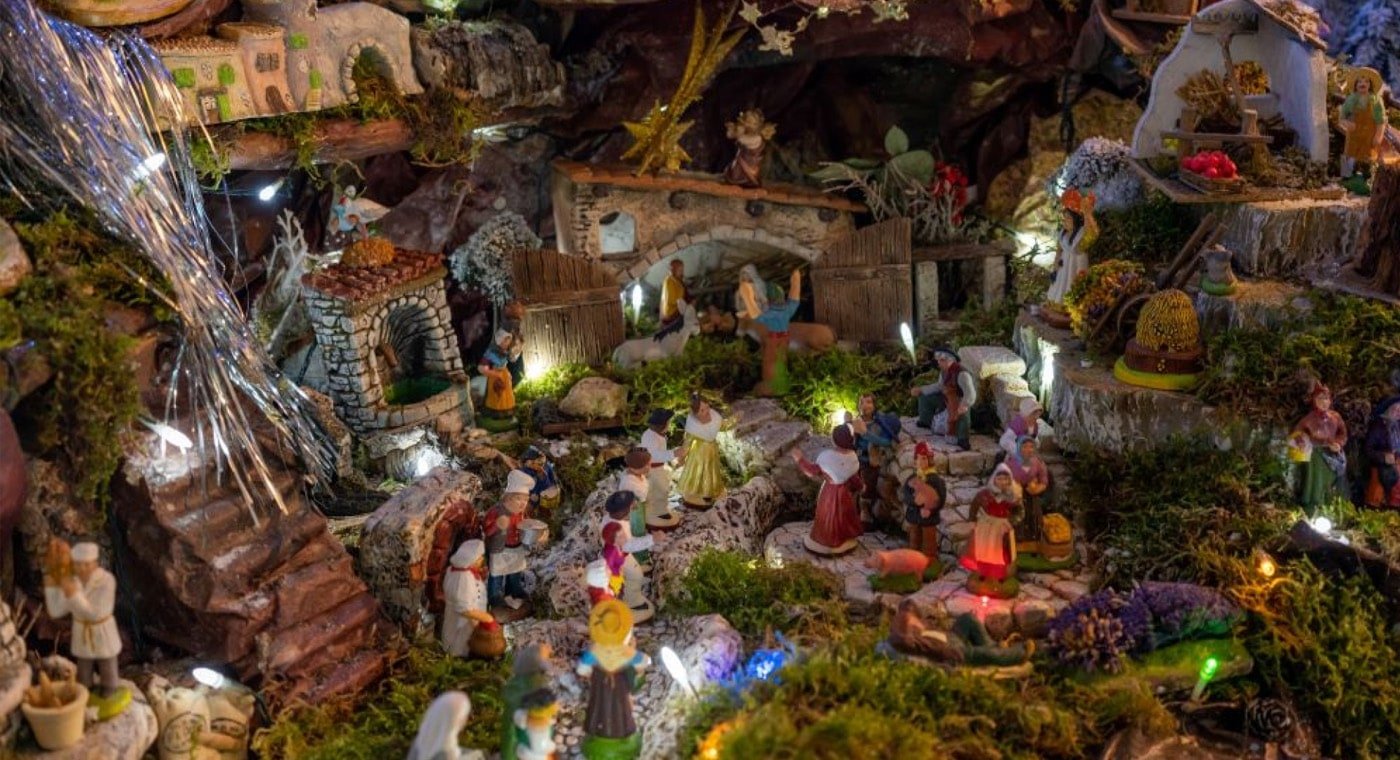
France: Elegance and Tradition
In France, Christmas trees are a blend of elegance and deep-rooted tradition. Families decorate their trees with glass baubles, satin ribbons, and small wrapped gifts that double as ornaments. Trees are often placed near the “crèche” (nativity scene), a central feature of French holiday decor. The practice of decorating Christmas trees originated in Alsace in the 16th century and spread throughout the country, becoming a cherished part of French culture. French Christmas trees reflect the nation’s appreciation for beauty and refinement.
Build Your Own Christmas Tree Traditions
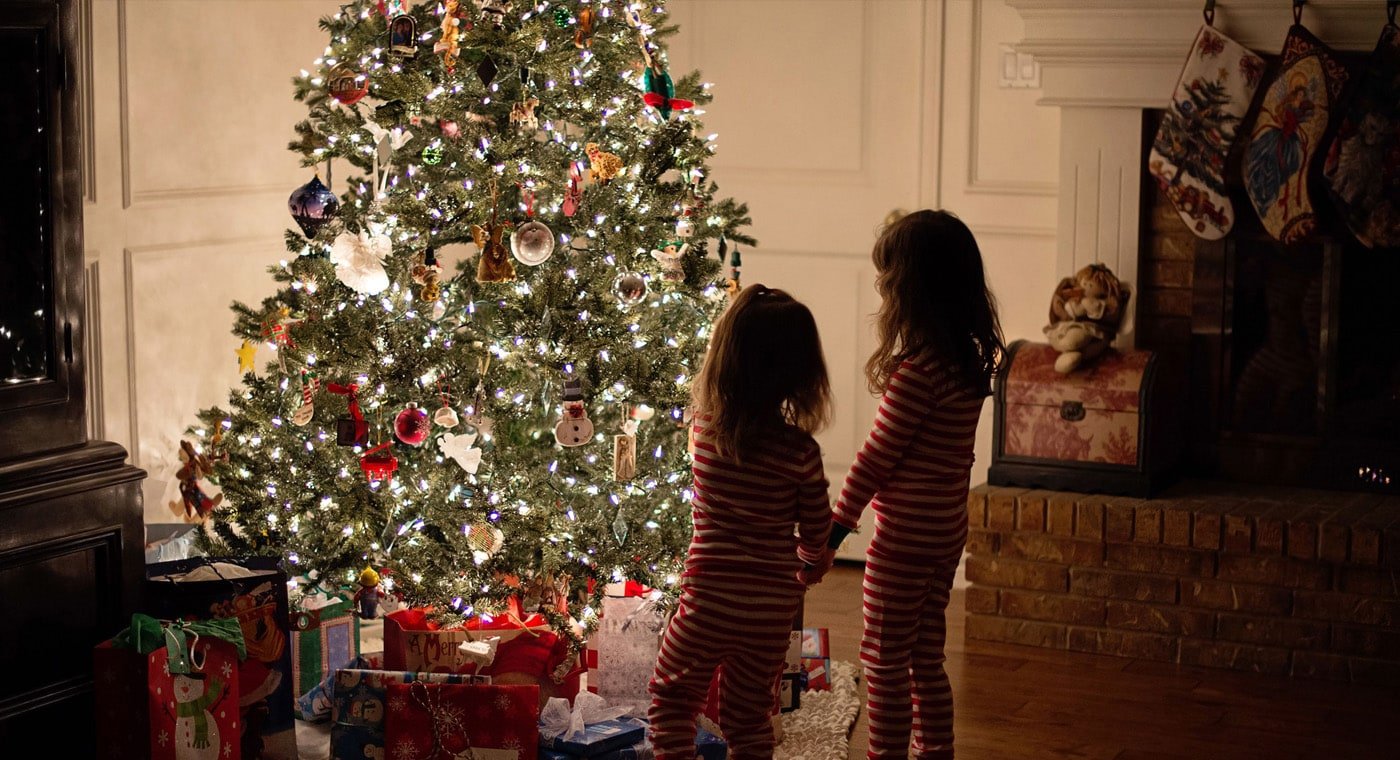
Christmas tree traditions around the world showcase the diverse ways people celebrate the holiday season, blending cultural heritage with festive cheer. From Germany’s historical roots to Mexico’s vibrant colors and Japan’s intricate origami, the Christmas tree serves as a universal symbol of joy and togetherness.
If you’re in the Orlando area, make your holiday special with a real, fresh Christmas tree from Ciro & Sons Christmas Trees. Our family-run business offers the finest selection of trees to bring warmth and tradition to your home this season. Visit our Orlando location or buy online for white-glove delivery and setup!